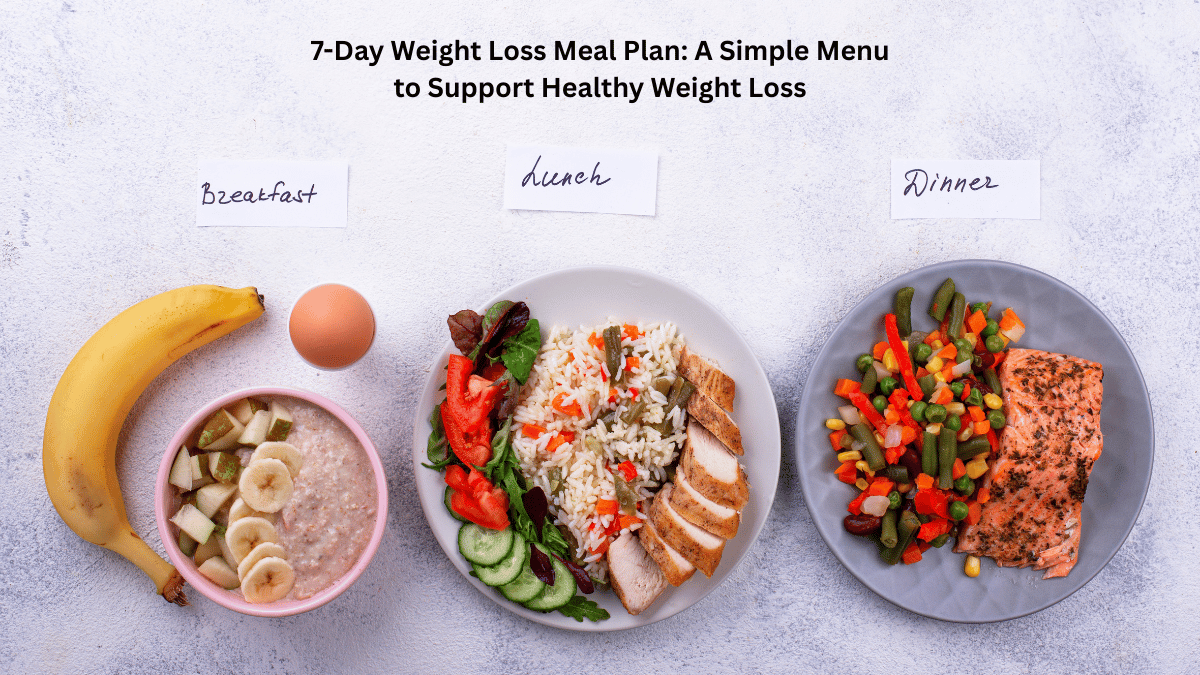
A GLP-1 meal plan matters more than most people expect when starting semaglutide or tirzepatide. These medications reduce appetite significantly, which helps with weight loss — but eating less overall, without a plan, can also mean eating too little protein, losing muscle instead of just fat, feeling fatigued, and missing key nutrients. A structured approach to what you eat, not just how much, is what actually protects your results.
Key Takeaways
- GLP-1 medications reduce appetite, which makes it easy to under-eat protein and fiber unless meals are planned intentionally.
- Aim for roughly 1.2-1.6 grams of protein per kilogram of body weight daily — meaningfully higher than the standard dietary recommendation — to help preserve lean muscle while losing fat.
- Smaller, more frequent, easy-to-digest meals work better than large meals, since these medications slow digestion.
- Hydration, fiber, and limiting processed foods and alcohol all support the medication’s effects rather than working against them.
- A 7-day sample menu, below, shows what this looks like in practice.
Why Nutrition Matters So Much on GLP-1 Medications
Semaglutide and tirzepatide (the medications behind Ozempic, Wegovy, Mounjaro, and Zepbound) work by mimicking hormones that regulate hunger, digestion, and blood sugar. That’s exactly why they’re effective — but reduced appetite without a nutrition strategy can lead to real problems: low protein intake, muscle loss instead of fat loss, fatigue, poor long-term adherence, and nutrient gaps if meals aren’t structured. A GLP-1 meal plan addresses this directly by making sure the food you do eat — even in smaller amounts — actually covers what your body needs.
How Much Protein Do You Actually Need?
This is the single most important nutrition question on a GLP-1 medication, and it’s also the one most commonly answered vaguely. Research on muscle preservation during GLP-1 therapy points to a target of roughly 1.2-1.6 grams of protein per kilogram of body weight per day — notably higher than the standard 0.8 g/kg general dietary recommendation. This matters because, in sedentary patients without adequate protein intake, lean muscle can account for a meaningful share of total weight lost on these medications; prioritizing protein (and adding resistance training where possible) significantly reduces how much of your weight loss comes from muscle rather than fat. For the fuller picture on this, see our guide on protein’s role in preventing muscle loss during GLP-1 therapy.
Best protein sources: chicken breast, turkey, eggs, fish (salmon, cod, tuna), Greek yogurt, cottage cheese, lean beef, tofu, lentils, and protein shakes when whole food isn’t practical.
Building the Rest of Your Plate
Fiber-rich foods. Fiber supports digestion, promotes fullness, and helps stabilize blood sugar — working with the medication’s effects rather than against them. Aim for roughly 25-30 grams of fiber daily from vegetables, fruits (berries, apples, pears), whole grains (oats, quinoa, brown rice), and legumes.
Low-glycemic-index foods. Foods that release glucose gradually — sweet potatoes, whole grains, legumes, non-starchy vegetables, berries — help avoid blood sugar spikes and crashes, which is especially useful if energy dips are an issue.
Healthy fats, in moderation. Avocado, olive oil, nuts, seeds, and fatty fish support satiety and overall health without the digestive burden of fried or greasy foods.
Gentle, easy-to-digest preparation. Since these medications slow gastric emptying, lighter preparations — cooked vegetables rather than raw, soups and broths, simply prepared proteins — tend to sit better than heavy, greasy meals, especially early in treatment or after a dose increase. For specific foods that tend to cause the most trouble, see our foods to avoid while taking tirzepatide guide.
Practical Habits That Make the Biggest Difference
Eat smaller, more frequent meals. Three small meals plus one or two snacks tends to work better than three large meals, both for comfort and for hitting your protein target throughout the day rather than in one sitting your appetite may not allow for.
Stay hydrated. Aim for 8-10 cups of water daily. Reduced appetite can mask thirst cues, and dehydration can worsen fatigue and digestive side effects.
Limit processed foods and added sugar. Sugary drinks, refined carbs, fried foods, and candy work against both the blood-sugar and appetite benefits of these medications. Whole fruit, nuts, or a small amount of dark chocolate are better ways to satisfy a craving.
Practice portion awareness, even with appetite suppressed. Use smaller plates, eat slowly, chew thoroughly, and stop at satisfied rather than full — appetite suppression reduces hunger cues, but mindful eating habits still matter.
Be thoughtful with alcohol. Alcohol can cause blood sugar fluctuations, add empty calories, worsen dehydration, and intensify GI side effects when your digestion is already slower than usual. If you drink, do so in moderation and not on an empty stomach.
Consider targeted supplementation — with your provider’s input. Reduced calorie intake can create gaps in vitamin D, magnesium, omega-3s, and B vitamins for some patients. Talk to your provider before adding any supplement to make sure it fits your specific nutritional needs and doesn’t interact with your treatment.
Your 7-Day GLP-1 Meal Plan
This sample week shows what a protein-forward, fiber-rich, easy-to-digest eating pattern looks like in practice. Adjust portions to your own calorie needs and appetite.
Day 1 — Breakfast: Greek yogurt, berries, chia seeds. Lunch: grilled chicken salad with olive oil. Dinner: salmon and steamed broccoli. Snack: apple with almond butter.
Day 2 — Breakfast: eggs with spinach. Lunch: turkey lettuce wraps with avocado. Dinner: shrimp and zucchini noodles. Snack: cottage cheese.
Day 3 — Breakfast: protein smoothie (berries, spinach, protein powder). Lunch: tuna salad over greens. Dinner: turkey meatballs with vegetables. Snack: hard-boiled eggs.
Day 4 — Breakfast: overnight oats with chia seeds. Lunch: chicken bowl with cauliflower rice. Dinner: cod and asparagus. Snack: Greek yogurt.
Day 5 — Breakfast: eggs and avocado. Lunch: chicken vegetable soup. Dinner: chicken breast and Brussels sprouts. Snack: mixed nuts.
Day 6 — Breakfast: cottage cheese with berries. Lunch: chicken Caesar salad (no croutons). Dinner: steak and green beans. Snack: hummus with vegetables.
Day 7 — Breakfast: protein pancakes with berries. Lunch: salmon salad. Dinner: chicken stir-fry. Snack: Greek yogurt.
Adapting the Plan to Your Own Needs
The 7-day menu above is a template, not a rulebook — adjust it based on your own preferences, budget, and dietary pattern.
If you’re vegetarian or vegan: replace animal proteins with tofu, tempeh, lentils, chickpeas, edamame, and a plant-based protein powder. Hitting the 1.2-1.6 g/kg protein target takes a bit more intention on a plant-based diet, since plant proteins are generally less concentrated per serving — spreading protein sources across every meal helps close that gap.
If cooking every meal isn’t realistic: rotisserie chicken, canned tuna or salmon, pre-cooked shrimp, Greek yogurt, and cottage cheese are all fast, minimal-prep ways to hit your protein target without a full home-cooked meal every time.
If nausea is limiting what you can eat: lean toward the gentler preparations mentioned above — broths, soups, plain proteins, cooked rather than raw vegetables — and revisit heavier dishes once your body has adjusted to your current dose. Our tirzepatide side effects and semaglutide side effects guides cover more nausea-management strategies specifically.
If you’re on a tight budget: eggs, canned fish, frozen vegetables, dried legumes, and plain Greek yogurt deliver strong protein and fiber value without the cost of specialty products or fresh produce that spoils quickly.
Simple Meal Prep Strategies
Because appetite is reduced, it’s easy to end up under-eating simply because nothing is readily available when hunger does show up. A few habits make consistency much easier:
- Batch-cook proteins once or twice a week — grilled chicken, hard-boiled eggs, baked salmon — so a protein source is always ready without extra effort.
- Pre-portion snacks like nuts, cottage cheese, or hummus with vegetables into grab-and-go containers, since you may only want a small amount at a time.
- Keep a running grocery list built around the protein, fiber, and healthy fat categories above, rather than shopping meal-by-meal, which is easy to let slip when appetite is low.
- Freeze extra portions of soups, meatballs, or cooked grains for the days when cooking feels like too much — this matters more on this type of medication than most diets, since low motivation to eat can also mean low motivation to cook.
Why You Still Need a Meal Plan Even With a Smaller Appetite
It might seem counterintuitive to plan meals carefully when you’re eating less than you used to, but that’s exactly why structure matters more, not less. A deliberate approach protects lean muscle mass, prevents nutrient deficiencies, improves energy levels, supports consistent fat loss, and helps guard against weight regain if you eventually stop treatment. Fewer calories means every meal needs to work harder nutritionally — there’s less room for foods that don’t contribute much.
Frequently Asked Questions
How much protein should I eat on semaglutide or tirzepatide? Roughly 1.2-1.6 grams per kilogram of body weight daily is the range supported by current research on muscle preservation during GLP-1 therapy — meaningfully more than the general 0.8 g/kg dietary recommendation.
Why do I need to eat more protein if I’m eating less overall? Because appetite suppression reduces total food intake, and if that reduction comes disproportionately from protein, you risk losing muscle along with fat. Prioritizing protein at each meal helps ensure the weight you lose is mostly fat.
What foods should I avoid on a GLP-1 medication? Greasy, fried, and heavy foods tend to worsen nausea and discomfort since digestion is already slower. Sugary drinks, refined carbs, and highly processed foods also work against the medication’s blood-sugar benefits. See our full foods-to-avoid guide for specifics.
Do I need to follow a strict meal plan, or just general guidelines? A structured plan like the 7-day menu above is a helpful starting template, but the underlying principles — adequate protein, fiber, hydration, and easy-to-digest meals — matter more than following any specific menu exactly.
Should I take supplements while on semaglutide or tirzepatide? Possibly, if calorie reduction creates gaps in nutrients like vitamin D, magnesium, omega-3s, or B vitamins — but talk to your provider first rather than self-selecting supplements.
Will good nutrition help me avoid a weight loss plateau? It can help, though plateaus are also driven by metabolic adaptation that happens regardless of diet quality. See our guide on understanding and breaking a weight loss plateaufor the fuller picture.
Can I follow this meal plan if I’m vegetarian? Yes, with some adjustment — replace animal proteins with tofu, tempeh, legumes, and a plant-based protein powder, and be more deliberate about spreading protein across every meal to reach the same daily target.
Do I need to eat three full meals a day? Not necessarily. Many patients do better with three smaller meals plus one or two snacks, which fits better with a reduced appetite than trying to force down three large, traditional meals.
The Bottom Line
Medication reduces your appetite; nutrition is what determines what that reduced appetite actually does to your body over the following months. Prioritizing protein at a real, research-backed target, building meals around fiber and easy-to-digest foods, staying hydrated, and limiting processed foods and alcohol all work with semaglutide or tirzepatide rather than against them — and protect the outcome you actually want, which is fat loss, not just weight loss. At Medica Weight Loss, every semaglutide and tirzepatide program includes nutrition guidance alongside medical supervision — a meal plan like this one is a starting point, not the whole strategy.
This article is for general education and is not a substitute for personalized medical or nutritional advice. Talk to your healthcare provider or a registered dietitian before making significant dietary changes or adding any new supplements to your routine.